
Dense harmonies and insightful words make this a “why haven’t I heard them before” album.
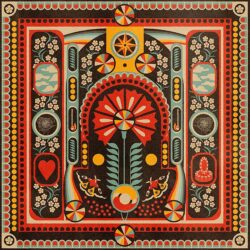 Fruition say that “this album is the culmination of almost two decades of making music. We set out to show the world what we’ve learned along the way, both musically and personally, but perhaps more importantly, the album makes a point to be honest about the things we’ve had to UNLEARN. So, while experience may have helped guide us through the recording process, the truth of this album is found in kicking old habits, letting go of control, interrogating our motives and approaching each session with fearless, open hearts.”
Produced by Tucker Martine, one of those producers who almost has a sound of their own, and indeed the band credit him as “became our sixth member as the producer and dream-actualizer” of Something More. They use words like “genre-bending” and “melting pot” to describe their sound. The opening song, Compass, manifests as an acoustic soul-pop song, drawing an emotional vocal from Kellen Asebroek. Following that, we have the more country-based Oh Well, this time written and sung by Jay Cobb Anderson, whose pedal steel also dominates the song. Miriam Naja gives us Matters Of the Heart, which features her vocals and electric guitar and is more country-rock with a bite. As a new listener to Fruition’s music, this suggests that they are a vehicle for the 3 songwriters individually, possibly at the expense of a clear band identity.
Asebroek’s How Does it Feel is where the harmonies start to really come together, shades of Fleet Foxes’ first album. The electric piano and languid tempo suggest another Portland band, The Delines, and Martine allows the music and harmonies to drift together, producing a wall of sound that reflects the theme of feeling trapped in life and wanting to make changes but not knowing how to. Naja approaches a similar theme in Forward: “Lately I’ve been swimming in all the things that could have been. And it’s holding me back from moving forward.” Anderson’s electric slide guitar solo adds a spiky counterpoint to the words.
The Asebrook, Anderson, Naja order of the first six songs does make the album sound like a songwriting competition at times, as all three have very distinctive styles. When that sequence is broken with Anderson’s I’m Not Afraid, the band’s identity becomes clearer. A driving indie tune with duelling guitars and high-energy drums from Tyler Thompson, it is the point at which their assertion that “songwriting took place during collaborative sessions” as it’s clear Naja had a big hand in the writing. The vocal showcase of the album’s title song is where Shwan Apley’s Cello is shown off to best effect.
The brass additions to Somewhere Down The Line enhance the soulful strand to Fruition’s sound. Bass player Jeff Leonard pushes the song forward with a Motown lick, and Miriam Naja adds a little wry humour to the lyrics. After a few listens, this is the song that becomes most anticipated. It slides into the only co-write on the album, By Now, where all three singers join together across the song. The harmonies are what set Fruition apart and where their core band identity sits. The guitars of Naja and Anderson fill up the sound once again as the song closes in a squall of feedback. After that, All Over is something of a palette cleanser, a simple drum machine and acoustic guitar tune.
If this album has a problem, it is in the sequencing; lumping the more “indie” songs in the later third of the album gives the earlier part a less distinctive band sound than it might have had if one of the more punchy songs had been moved up to provide an “ooh what’s this” moment. It’s possible to imagine listeners looking for a bit more grit, listening with finger poised over the skip button. That would be a shame because this is a really good album, and certainly a point to go and investigate the 20 years of Fruition’s music that you may have missed.


