
Honest, world-weary songs of love, grief, and longing.
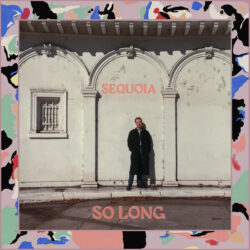 This is Sequoia’s (aka Sequoia Feinson) second album. After a peripatetic youth, he eventually settled in rural Virginia, where he spent many of his formative years. A subsequent move to Los Angeles nurtured his growing interest in American folk, blues, and country music. Until recently, he lived in Richmond, Virginia, where this album was recorded, but he has since relocated to his adopted hometown of Portland.
With a paucity of interviews and social media posts, Sequoia hasn’t pursued a high-profile media presence, leaving the songs to speak for themselves. Many of Sequoia’s songs explore themes of loss and reflection. Protegé reflects on lost opportunities and wasted youth as Sequoia sings “Fortune I’m living in, I squander to no end, looking back fool hearted.” The song, like several others on the album, features Virginia-based “Mambo” Bob Miller on some beautifully understated trumpet. David Stein’s sparkling pedal steel guitar part is to the fore on Tears and Turbulence, the album’s lead single. It captures the rare beauty of true love tempered with the foreboding that it won’t last and that you’ll eventually be on a “runway to loneliness.” Far From Your Mind has a slightly baroque feel to it and is another song about emotional separation.
Miles Away is a finger-picked acoustic folk song about distance and relationships. It sits well alongside the other songs, which generally feature full-band arrangements. New Place focuses on feeling emotionally stuck despite being in a new place: “My mind’s a mess, A broken radio in a Cadillac, Always receiving distress, I hear the same lines play back over and over again.” Tired Games sounds like an old-school country song, which again features some wonderful slide guitar, as does the upbeat Tucson. The song finds Sequoia in a snowy New England, “Dreaming of swimming pools, agave, and sun beams.”
The album closes with So Long, a song about mourning the loss of an older male friend whom Sequoia regarded as a father figure. After decades of sobriety, he died from a fentanyl overdose. It reflects on how grief can centre on ordinary interactions that can never happen again. Exploring loss, memory, and the permanence of death, the song gives the album its title.
It’s an emotional downbeat but honest and slightly world-weary record. It’s well-produced but a slightly one-paced album, which would benefit from a few more up-tempo numbers. That said, it’s well worth 40 minutes of your time.

