
We’ve commented before about how wide the range of bluegrass is now, and this time is no exception. From Scotland, we have something based on Celtic Folk, A New York bluegrass power trio, and a new artist who’s still too young to vote or drink. Add to that bluegrass experimentation from a very distant shore and a re-release that couples English sitcom humour with music that would be just at home in Kentucky as Kensal Rise, and we have something for everyone. Or at least that’s the hope…
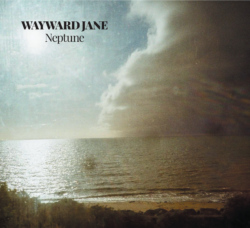 From the whispered introduction forward, Wayward Jane’s Neptune is something special. While we know that some of the roots of bluegrass and other American folk styles are in Celtic music, bringing the influence back across the water is something that doesn’t happen often. Their fourth album continues the development of the band’s unique transatlantic string-band sound, with a combination of not-always-typical instruments. Voice, clawhammer banjo, fiddle, guitar and double bass are augmented by cittern, harmonium, doyra (a small hand drum from Uzbekistan) and even chopsticks. Most of the album was captured in one take with the band sitting in a circle; adding other layers brings extra depth to the music. In an album which covers a lot of ground and has plenty of highlights, including Ribbons & Roses, which uses the choppy Mandolin in a more subtle way than is usual, opening song Everything Changes, and the frenetic instrumental Pick Up Sticks, it’s the least “bluegrass” song here which stands out. Soul Journey uses harmonies, lots of space and fiddle to create a delightfully atmospheric piece.
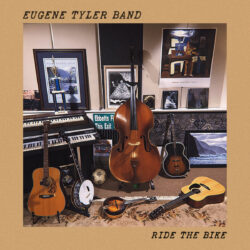 The Eugene Tyler Band hail from New York, not often the home of sounds more often associated with rural settings. They call themselves an indie-bluegrass power trio, which may explain it. Third album Ride The Bike carries a fair punch with a gritty variant of the genre. A bright, sparkly sound is the mark of B-Sides in B, which opens the album. This is almost indie rock played as bluegrass, with the driving Push My Luck (in both clean and less clean versions) being one of the highlights. The Reggae meets Jamband of The Ballad of Mabel suggests where their live audience probably sits. Virtuoso Mandolin from Eugene Gardner is the highlight of the song, although bassist Marc Jaffee and guitarist Daniel Tyler are no slouches. Bluegrass for someone who thinks they may like it but want some points of reference and one of the best albums reviewed in this column for a good while.
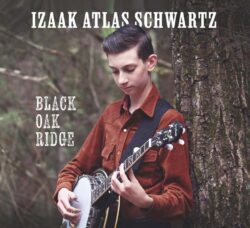 Black Oak Ridge comes from Izaak Atlas Schwartz. Born in the second decade of this century and was memorising classical works by ear at the age of 5. Having relocated to the Pocono Mountains of Pennsylvania, immersed himself in Appalachian traditional music; we have a mostly instrumental album, which is full of his highly technical banjo playing, supported by a cast of equally proficient players. While it at times sound more like a recital than a passionate love of bluegrass, there is lots to admire and hope for the future in this album.
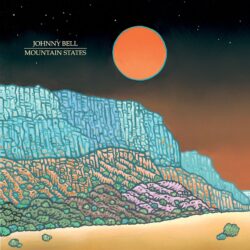 Johnny Bell‘s Mountain States is on the Centripetal Force label of DJ Mike Mannix. Known for his love of anything experimental, this “represents my obsession with traditional americana-associated instruments.” It represents Bell working “toward a vision of what the banjo can become when freed from its most rigid expectations.” The drone which accompanies the soundscape of Departure Valley sets the tone of the album. This is not your usual bluegrass and is avant-garde to an extent that Bela Fleck can only imagine. American Primitivism is a clear influence on the repeating lines and builds up a dense sonic palette. Whether it’s an easy evening listen is for the consumer to decide. It is a fascinating reach to what you can do when you take away the song structure and use acoustic (and occasionally electric) instruments to just create atmosphere.
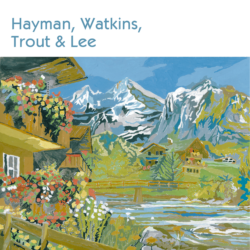 Lastly, we have a reissue of 2008’s Hayman, Watkins, Trout And Lee, expanded to include covers from Jonathan Richman, Townes Van Zandt, and Iris DeMent as well as some more original tunes. Taking their cue from Sid Griffin’s coining of the term alt-bluegrass to describe the Coal Porters’ music, HWTL created a bluegrass band which didn’t “sing in American accents, and their songs feature tube trains, Bethnal Green, sick days, flat lemonade and unmade beds. HWTL perform weary sing-alongs; fragile and flawed ballads that wipe a tear and force you to smile.” The tongue-in-cheek lyrics of Sly and the Family Stone, That’s Why She Left Me (Why She Came Back) and Dirty Tube Train, give this a particularly English feel over a country bluegrass backing. Of the new songs, Richman’s Since She Started to Ride is the pearl. If you missed this in 2008, you should absolutely pick up on Hayman, Watkins, Trout And Lee now. They recorded the album in 2 days “with a bunch of battered microphones, a fresh pot of tea, and some fruit cake” gives the whole thing a simple, homemade feel, which seems to be about some musicians sat round playing a few of their favourite songs, and that is what makes this such a good album. Brilliant.


