
First solo release shows Jayne Pomplas has much to offer.
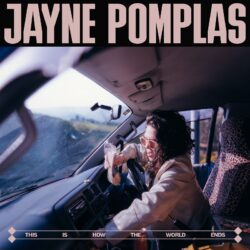 Jayne Pomplas is a Dublin-based American singer, songwriter and fiddle player who has spent years in Ireland performing and recording with artists including The Chieftains, Frankie Gavin, John Francis Flynn, Francesco Turrisi, Liam Ó Maonlaí, Ron Block, Adrian Crowley and many more. This Is How The World Ends marks her debut release as a solo artist, offering a full collection of original recordings under her own name. The songs themselves are a mix of new songs, some borrowed tunes and the odd traditional song such as Blackwater Side. This Is How The World Ends was recorded in a number of locations, including live rooms and houseboat sessions on the Thames, and this certainly adds a feel of spontaneity to the music. Tunes such as The Lonely Boatman are well played and veer towards the eerie; Finbar Fury himself was happy for Jayne Pomplas to record her version of his tune.
Jayne Pomplas leans into the experimental on her own songs; Ninety Nine is a standout here, toying with almost psychedelic distorted visions as Pomplas struggles to find answers to near a hundred questions: “Slipping sliding, twisting, turning/falling through the looking glass / Down is up and up is down / through the looking glass” and features songwriter Adrian Crowley, experimental folk duo Lunatraktors, and vocalist Méabh McKenna, alongside an expanded instrumentation incorporating duduk, bass, accordion, harp and electric guitar which all well serves the bewildered sense of the song. Of the traditional songs, Blackwater Side is disappointing; Pomplas says in the liner notes how much she was affected by Anne Briggs’ recording of this song, and it shows with the vocal trying too hard to sound like Briggs, when a new version really needs a good reason of its own to exist. The distorted banjo and fiddle led There Is A Time, learnt from The Dillards, is like a hopped up Appalachian session – somehow managing to not collapse and by so doing instilling the song with a wide-eyed wonder that carries the risk of staring too long into the sun. It’s quite magical.
Overall, This Is How The World Ends is the proverbial curate’s egg; the fiddle tunes are good, some of Pomplas’ own songs connect. It’s an album where you can see what the musicians are trying to do, and sometimes they succeed, and sometimes they just get close. When they succeed, it’s fantastic, eerie, and jarring. Definitely for fans of people who like their folk that way.


