
Vibrant set of vintage soul grooves from Sweden via Memphis.
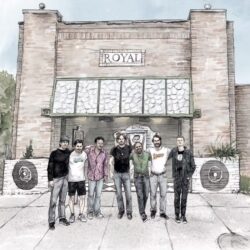 In the wake of his most recent release, Jesper Lindell and his band, The Brunnsvik Sounds, return with another impressive collection of soul-infused covers. While the previous album featured songs made famous at Muscle Shoals Sound Studio in Alabama, Royal works as a companion piece to that record but, in this case, features nine newly recorded tracks recorded at the famed Royal Studios in Memphis, Tennessee. Mimicking the recording style of some of the early classic albums the studio is noted for, Lindell and company once again set out to record an album’s worth of songs over a two-day period. And a fine album it is. It’s clear from the outset that Lindell and his bandmates have a deep love and respect for the music they are playing, and it comes out in spades in the performances. The meticulous production, as well as the engineering and mixing by Boo Mitchell, son of Royal Studios founder and legendary producer Willie Mitchell, expertly captures a true vintage sound.
Indeed, the vibe and energy of Memphis soul music and Royal Studios in particular permeate the music, beginning with the opening track Wearin’ That Loved-On Look. After a quick introduction, Lindell’s voice comes in and immediately commands attention, all gruff and grit, as the song takes off, gliding on a perfectly locked-in bass line and some spirited electric guitar leads. It’s a soulful introduction that foreshadows what’s in store; passionately performed songs that assert themselves by tapping into a classic sound that encapsulates the very essence of Memphis soul.
King of the Cowboys highlights Lindell’s ability to also handle slower, more subdued numbers with equal confidence. The track begins wonderfully with some stately piano, evoking a languid country-soul feel on this Amazing Rhythm Aces cover, with Lindell’s impassioned vocals squeezing just the right amount of emotion out of the song, never sounding overwrought. The backing is immaculate, with the band following Lindell’s lead, providing plenty of support without ever overshadowing the songs. A horn section makes its first appearance here, and in addition to some spirited backing vocals and gentle organ flutters, provides the musical template that subsequent songs follow, apart from some nuanced flourishes of mandolin, acoustic guitar, and even electric sitar that provide some variety to the proceedings.
The album ebbs and flows between slower, moodier tracks like When Something is Wrong With My Baby and more uptempo, raucous numbers such as the cover of The Box Tops’ The Letter, in a version that summons the spirit of Joe Cocker in its delivery. Led by some raw, passionate vocals, the playing by all involved sparkles, propelled by some punchy brass and a wall of backing vocals that carry the song to its sweaty conclusion. As always, the formidable rhythm section of Anton Lindell on bass and Simon Wilhelmsson on drums lays down a foundation of effortless grooves and is a standout right across the album, providing a solid foundation to kick the songs into high gear.
Canadian songstress Frazey Ford guests on Tryin’ To Live My Life Without You, originally performed by Otis Clay in 1972, and if it sounds familiar, you’ll be sure to figure out which song it later inspired in the long run. Ford’s idiosyncratic voice is a revelation here, sultry and compelling; it was made for this type of smoky soul and perfectly complements Lindell’s. A bass-heavy groove dominates, punctuated by some soulful organ and suffused with a chorus of horns that provide a full-bodied sound that echoes some of the classic country-soul duets of yesteryear. An album highlight, it certainly whets the appetite for any future collaborations between these two distinctive vocalists with a passion for vintage, Memphis-infused soul. The album ends triumphantly with a joyous cover of a Pops Staples number, Whicha Way Did It Go. Although the arrangement doesn’t stray too far from the original, it’s Lindell’s powerful singing that really breathes life into the song. Working off a hypnotic guitar riff and an irresistible groove, the song successfully captures the inimitable essence of the Memphis sound.
Lindell has crafted an album that, while retro in spirit, never feels nostalgic nor derivative. Despite its conciseness- coming in at just under thirty minutes- there’s no denying that it gets the job done in terms of showcasing the band’s dynamic chemistry and reverence for Memphis soul. Not merely cover versions, it’s a musical love letter to the music that inspired him, played without flashiness or hype, just heart and soul, and it will be interesting to hear how this experience influences Lindell’s own music moving forward.

