
Americana and roots rock enlivened by a carefully picked team of players, adding vigour and bite to some workmanlike songs.
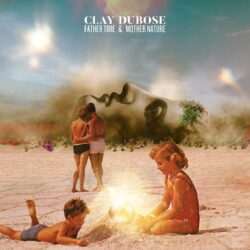 Clay DuBose has recruited a crack team of players to support his third album. Opening song When Heroes Say Goodbye includes Steely Dan guitarist Dean Parks and producer and co-writer Ted Russell Kamp on Bass. It’s a fairly routine piece of americana/roots rock, but with the drive and big ambition that a lead song needs. Reflecting on “the emotional impact of losing beloved musical icons like Chris Cornell, Tom Petty, Prince, and Neil Peart,” suggests DuBose has some quite wide-ranging tastes. Or he was hoping to appeal to the maximum possible fanbase. Winning Streak takes the metaphor of gambling on love, including an Elvis Vegas wedding, to a Rolling Stones-inspired party. Dwight Yoakam sideman Brian Whelan’s piano dominates the verse, and he also contributes the Keith Richards-inspired solo. A Country Radio airplay hit, if ever there was one.
The album title track keeps the credits rolling, with the late Neal Casal on guitar, and blues singer Janiva Magness backing up the vocals. The chorus tells us, “In the hands of Father Time, in the arms of Mother Nature. Humankind a harmony breaker. Did we miss the signs, dismiss the danger? You can’t cheat Father Time or fool Mother Nature.” That sort of homespun philosophy seeps into the lyrics across the album. Musically, this is almost Beatles-like in its earnestness.
The pop country feel continues with the next song. “The day that I lost you. That was living proof. That dreams can come untrue.” Parks and Casal trade guitar licks over Carl Byron’s Hammond. The sequencing of the album has been planned with care to keep the highs and lows drawing the listener in. Ballad I Hope You’re Watching leans in with piano and pedal steel. Described as “an emotional reflection on DuBose’s late father and his daughter,” it sticks to the straightforward words that have served the album well so far. There are a couple of covers. Kris Kristofferson’s New Game Now is taken as a gentle ballad, and album coda, Scotch and Soda is a faithful acoustic rendition of the Kingston Trio tune, a favourite of DuBose’s late father.
There are a couple of songs where the quality control slips a bit, but overall, the writing partnership with Kamp works well. Growing Wild is the last big song on the album and does exactly what it claims to: “Capturing the dizzying speed at which children grow up.” More of Neal Casal’s guitar and DuBose’s distinctive voice make this another good potential for the Country charts. The singing voice is what stops Clay DuBose becoming a bit-part player on his own album. Ted Russell Kamp has produced an album which presumably captures what DuBose was looking for. Drifting across the line between Country and Roots Rock means he will draw a sizable audience from both camps. The only problem is that it all feels a bit calculated and lacking in real soul.


