

We delve into the 40-year career of an americana music icon as her life and music is put on show at the Country Music Hall of Fame & Museum.
Over a musical career spanning more than forty years, Rosanne Cash has created one of the most thoughtful and emotionally resonant bodies of work in American music. Along the way she has enjoyed both critical and commercial success, including chart-topping country hits, GRAMMY Awards and a catalogue of albums that continue to reward careful listening. Yet statistics and accolades only tell part of the story.
What defines Cash’s work is the depth of feeling and clarity of observation that runs through her songs. She writes with a literate, poetic lyricism that gives weight to everyday experiences: the complexities of relationships, the compromises of love, the quiet disappointments and small moments of grace that shape a life. In her music we hear resignation and heartache, but also hope, rebirth and renewal. Cash has always possessed the rare ability to draw from deeply personal material while allowing listeners to hear their own lives reflected back to them.
That remarkable career has been celebrated in Rosanne Cash: Time Is a Mirror, a major exhibition at the Country Music Hall of Fame and Museum. Running until March 2026, the exhibition offers fans a chance to look back across the decades through the objects, instruments and handwritten pages that accompanied Cash’s creative journey.
The title feels particularly fitting. Cash’s work has always been concerned with time – with memory, legacy and the way the past quietly shapes the present.
A voice shaped by heritage and curiosity
Born in Memphis in 1955, Cash grew up in the orbit of American musical history. Her father was, of course, the legendary Johnny Cash, one of the most influential figures in country music. Yet, over the course of her own remarkable career, Rosanne Cash has herself become one of America’s most lauded musicians and songwriters. Raised largely in Southern California, she absorbed a wide range of influences, from folk and rock to literature and poetry. That breadth of inspiration would become a defining feature of her work. Even in her earliest recordings, Cash’s songs possessed a writer’s instinct: attentive to detail, reflective and emotionally perceptive.
Her debut album, Right or Wrong (1979), introduced a young artist already surrounded by a remarkable circle of musicians. Among them was songwriter and producer Rodney Crowell, whom she married that same year. But it was the follow-up album, Seven Year Ache (1981), that truly announced Cash to the world. The title track topped the country charts and crossed into the pop Top 40; its melodic immediacy carried lyrics that captured the conflicting emotions of a relationship beginning to fracture. It was a turning point, proof that Cash was not simply a promising newcomer but a major songwriting and singing talent. And it’s one of my favourite songs of all time. See my ‘classic album’ review of Seven Year Ache here.
Success and self-discovery
Throughout the 1980s Cash became one of country music’s most compelling artists, balancing commercial success with a growing confidence as a songwriter. Albums such as King’s Record Shop produced multiple chart-topping singles and confirmed her place among the leading voices of the decade. Yet the true measure of an artist often appears during moments of change. For Cash, that moment arrived with the 1990 album Interiors. Deeply personal and largely acoustic, the record marked a dramatic shift in direction. For the first time Cash wrote or co-wrote every song and produced the album herself. The music moved away from polished country-pop arrangements toward something more intimate and introspective. Listening now, Interiors feels like a turning point – a record of self-examination and emotional honesty. Written as her marriage to Crowell was beginning to unravel, the songs explore the gap between the appearances we present to the world and the realities we carry inside. Though the album was less commercially successful than its predecessor, its depth of humanity and consistency of theme have allowed it to endure as one of the most powerful works in Cash’s catalogue. My Classic Album review of Interiors can be found here. The follow-up album, The Wheel, is equally-absorbing and the title-track once brought a tear to my eye when I was at the front during one of her shows – personally, one of my most memorable moments in music.
Renewal and resilience
The years that followed brought both reinvention and hardship. Cash moved to New York and began a creative partnership with producer and guitarist John Leventhal, whom she later married. Their collaboration helped shape the next phase of her music, leading to albums that continued to explore new emotional and musical territory.
Then came an unexpected setback. In the late 1990s Cash developed polyps on her vocal cords, leaving her unable to sing for several years. For any artist whose instrument is their voice, such a challenge could have marked the end of a career. Instead, she returned in 2003 with Rules of Travel, a reflective album that included the moving duet September When It Comes, recorded with her father not long before his death.
Loss would become an unavoidable theme during the years that followed. The deaths of her mother, her father and her stepmother, June Carter Cash, deeply shaped the sombre beauty of the album Black Cadillac. Yet even here, Cash’s songwriting balanced grief with understanding, finding meaning in life’s most difficult moments.
An artist embraced by Americana
By the time the Americana movement began to take shape in the early twenty-first century, Cash was already recognised as one of its guiding figures. Long before the label existed, her music had comfortably drawn from country storytelling, folk introspection and rock sensibility.
Her later albums demonstrate the continued vitality of her work. The List (2009), inspired by a catalogue of essential songs her father once gave her to study, explored the musical heritage that shaped American roots music.
Then came The River & the Thread (2014), a sweeping reflection on the landscapes and stories of the American South. The album earned three GRAMMY Awards and stands as one of the most accomplished projects of her career. This was followed by Cash’s most recent studio album She Remembers Everything, produced by the talented duo Tucker Martine and Leventhal. This personal, emotional and meaningful collection of songs has a real sense of defiance and lyrical purpose, making for a compelling listen. Cash’s song-craft is, as always, incredibly assured. At the heart of these songs is Cash’s beautifully melodic vocal, weary and full of feeling.
Remarkably, Cash has continued to produce absorbing and emotionally rich work well into the twenty-first century – proof that great artists rarely stand still. I tried to capture a sense of her incredible body of work in an ‘Essentials’ piece here. Of course, it was a near-impossible task to distil all her creativity into just ten songs, but I enjoyed the attempt.
A life told through objects
The exhibition Time Is a Mirror gathers together the artefacts that trace this journey.
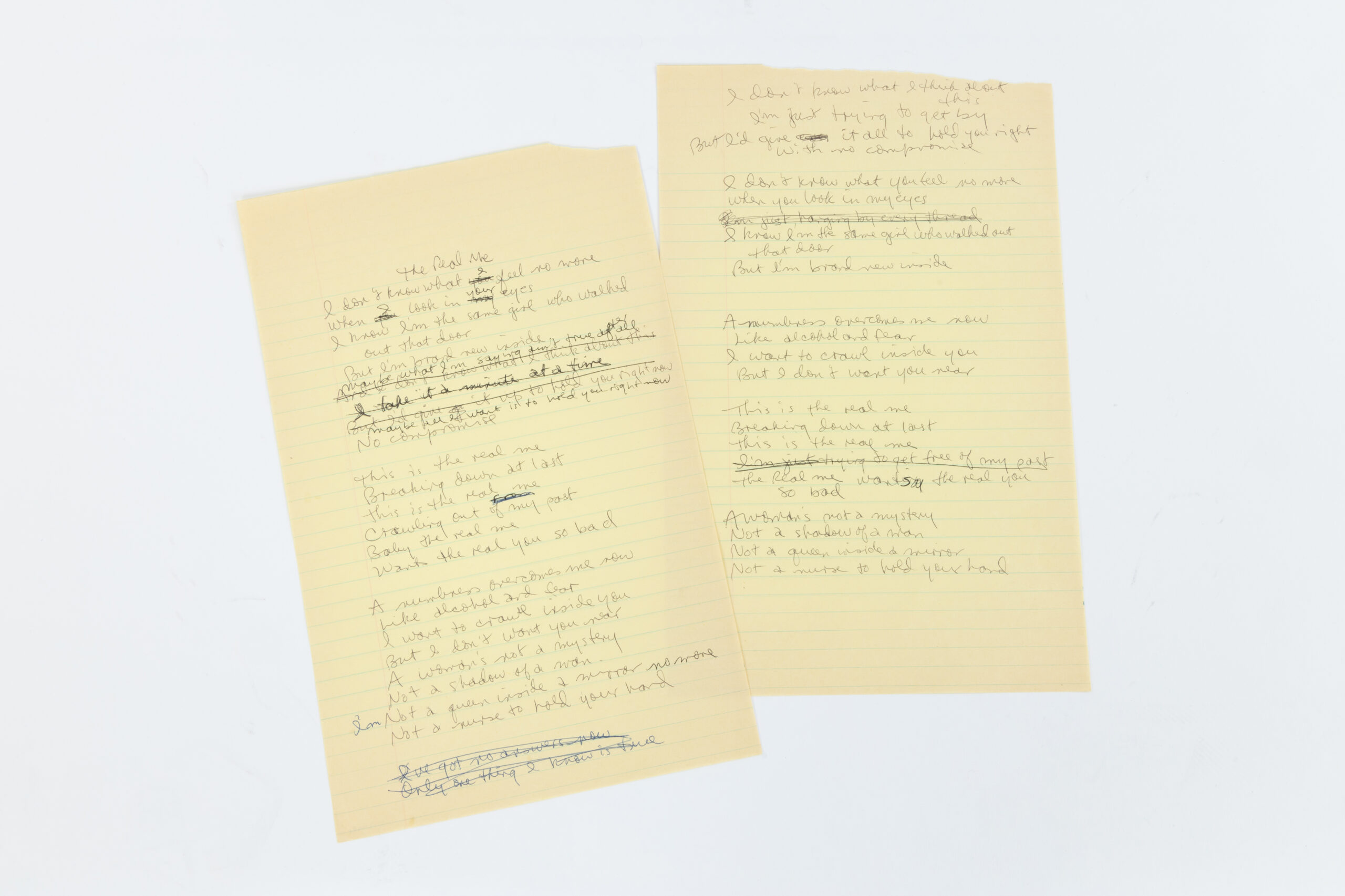
Visitors will find handwritten lyric manuscripts revealing the careful craft behind Cash’s songs, along with stage clothing worn during important moments in her career. Instruments also play a central role, including a Martin OM-28M Rosanne Cash Signature Edition guitar, its fretboard inlaid with her name in mother-of-pearl.
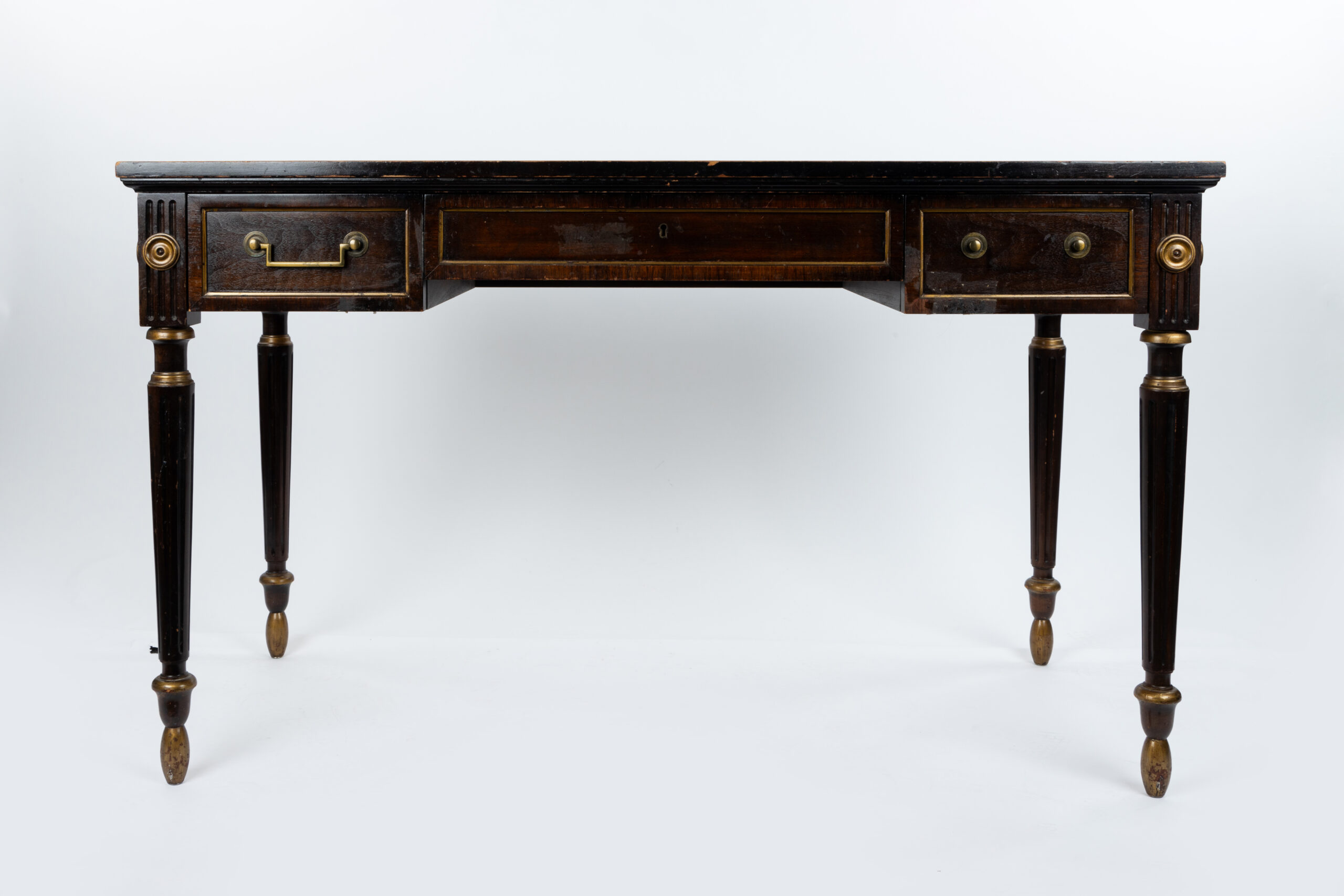
Another particularly evocative object is a modest writing desk once used by Johnny Cash. Rosanne inherited the desk after his death, and it now stands as a quiet symbol of legacy — the intersection of past and future, inheritance and independence.
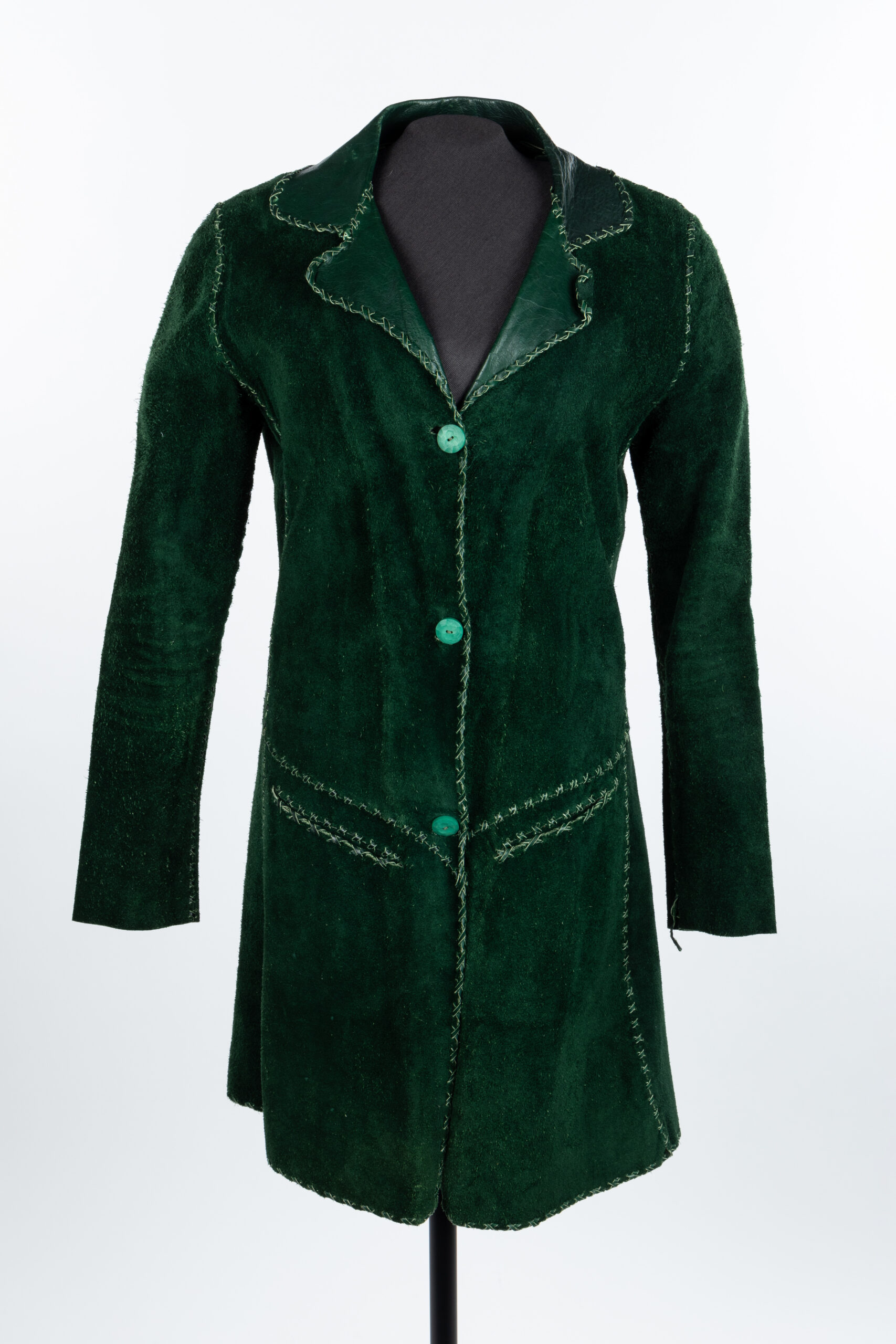
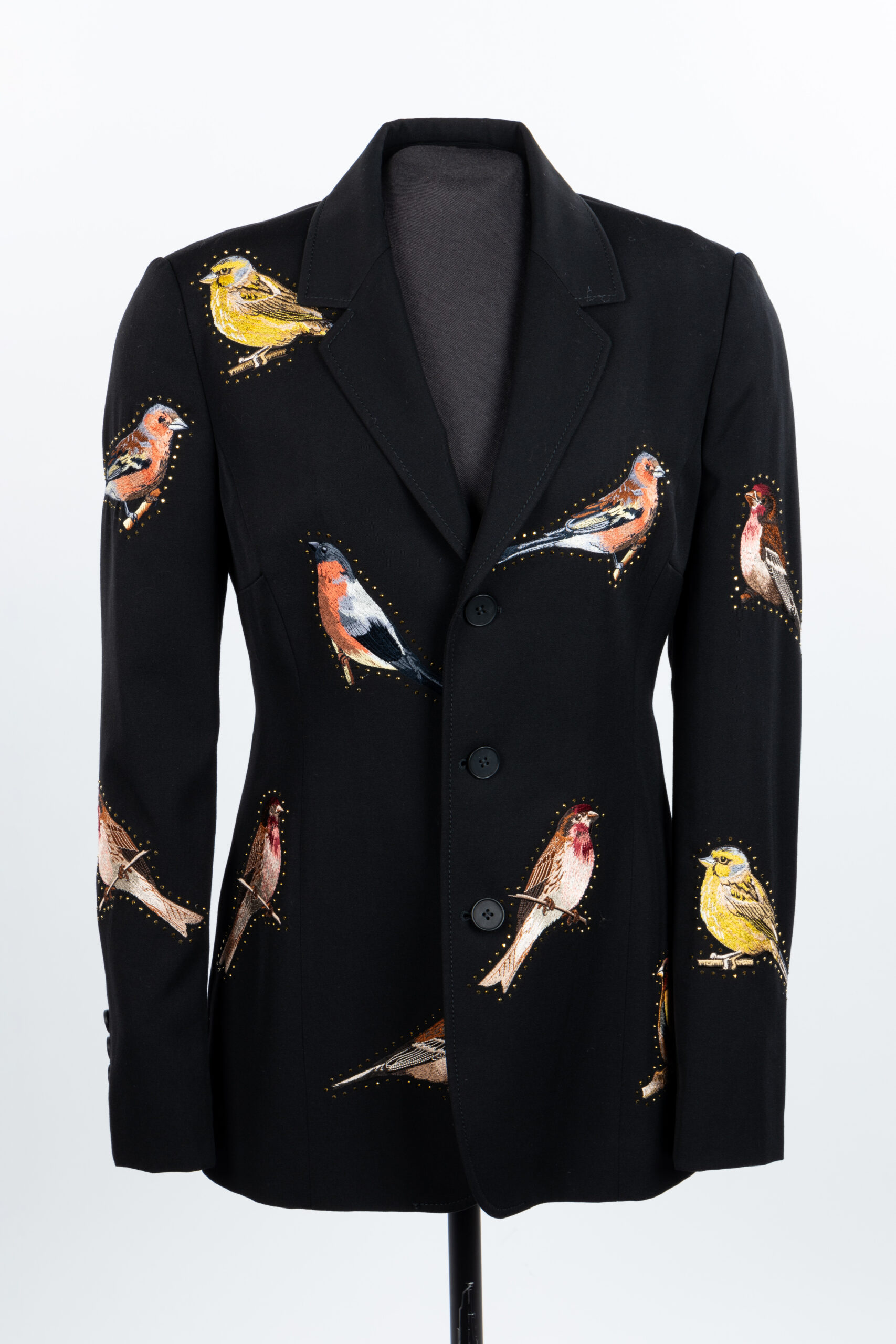
Elsewhere, visitors can see clothing worn during appearances at the Americana Honors & Awards at Nashville’s Ryman Auditorium, alongside items connected to landmark recordings and performances.
Taken together, these objects tell a story far richer than a simple chronology. They reveal the life of an artist continually searching for truth in song.
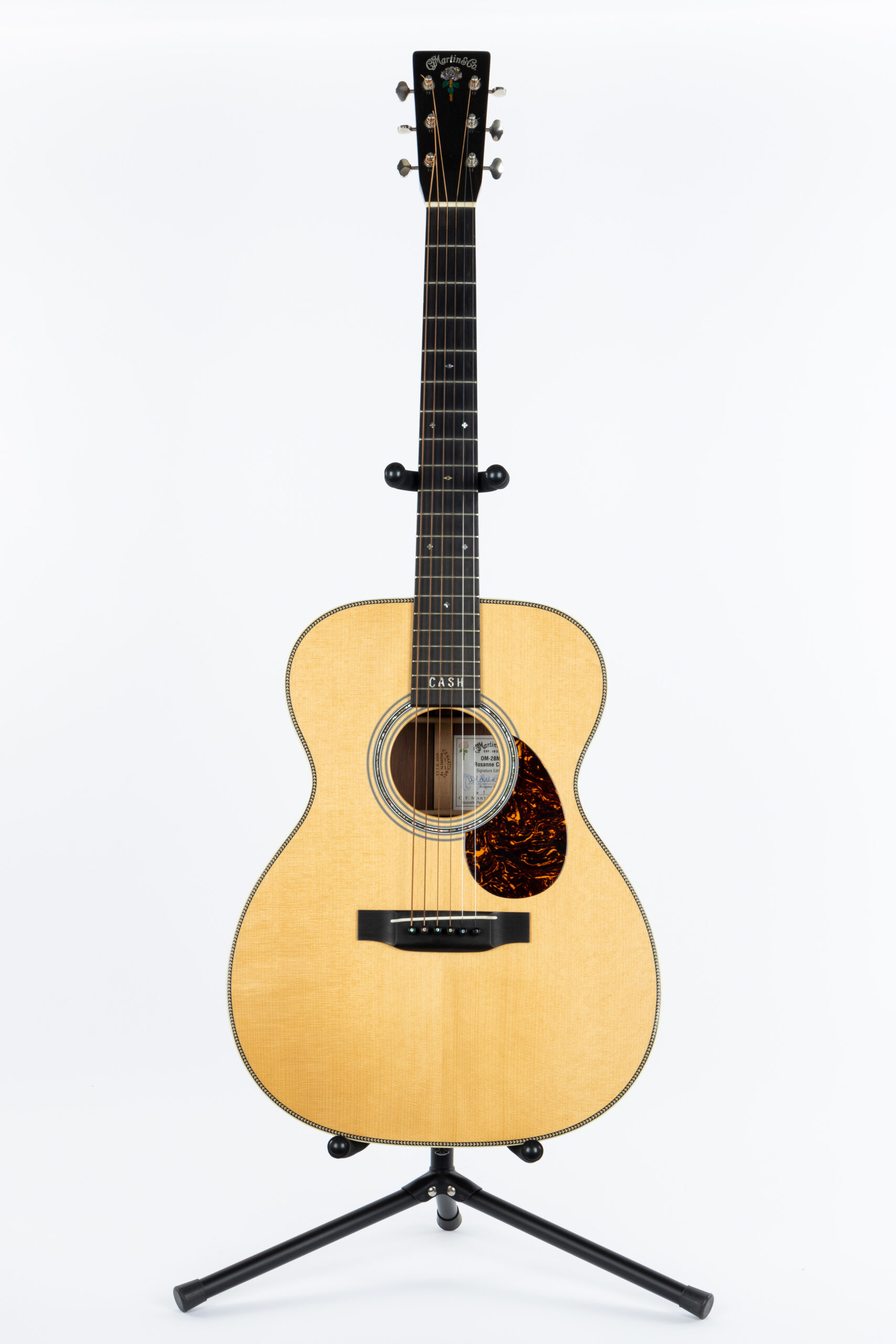
Photo credit: Bob Delevante
Why this exhibition matters
Looking back across Rosanne Cash’s career, what becomes clear is the consistency of her artistic voice. Musical styles have changed and the industry has evolved, yet her songs continue to explore the same essential questions: love and loss, identity and memory, the fragile balance between despair and hope. Her music reminds us that songwriting at its best is an act of empathy. By giving voice to her own experiences, Cash allows listeners to recognise their own.
That is why this exhibition feels so meaningful. The idea that time is a mirror is so fitting because, through her music, Cash has always conveyed the understanding that past is never really past; it echoes quietly through the present, shaping who we become. Walking through the exhibition, surrounded by the guitars, lyric sheets and fragments of a life in song, that idea becomes tangible. It is not merely a display of memorabilia but a reflection on a creative life devoted to understanding what it means to be human. For longtime fans, Rosanne Cash: Time Is a Mirror offers the chance to revisit a remarkable journey. For newer listeners, it’s an invitation to begin one.
The message of Rosanne Cash’s songs is that life moves forward, love falters and returns, and meaning is often found in reflection. And like the best of her music, the story continues to reveal a little more every time we return to it. The exhibition runs at the Country Music Hall of Fame and Museum until March 2026, so fans have just a few more weeks to make the pilgrimage and immerse themselves in the life and music of one of the greats. More information can be found here.


