
Portland-based ramshackle indie folk-rockers confront cultural changes and challenges.
 The Pacific north-west of the USA has been called home by many giants of the blues, rock, and grunge scenes, but alongside these, there’s long been a fertile seam of indie folk and alt-country music. Fleet Foxes and Brandi Carlile hail from Seattle, and from Portland, there’s The Delines, The Decemberists and The Dandy Warhols, while in recent years you might spot Jerry Joseph or Patterson Hood in the local deli. Vegans and cyclists are welcome in this city, proud of its reputation for being weird. Some twenty years ago, this attracted several musicians from Anchorage, Alaska, who each separately found their way to Oregon before coming together as The Builders and The Butchers in 2005.
With the ramshackle acoustic folk-rock sound that has become their hallmark, the band have risen from their early days busking in the city to sharing stages in large theatres and arenas, building a large following on streaming platforms thanks in part to their regular touring of the US and Europe.
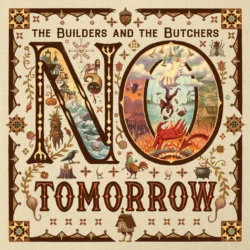
Four years on from their 2022 album Hell & High Water, the band release their seventh album No Tomorrow. Recorded and produced by keyboard player Ray Rude, also one of the band’s several percussionists, the new collection’s title points to disillusion in terms of climate change and in political life. As usual, the lyrics are from the pen of singer and guitarist Ryan Sollee, who states:
“The songs for No Tomorrow were written with our cultural changes and challenges in mind. The overarching message is that we can find hope in each other and still lead lives full of joy and creativity even when systems and leaders fail us.”
With a gentle banjo picking the opening notes, World’s On Fire soon whips up a driving rhythm, its refrain setting the pattern for some hard-hitting lyrics. Blood/Death takes up the theme before Mother Mary introduces a campfire sing-along feel, though with occasionally explicit sentiments. Cold Fire Hymn and Devil’s Wind take a fatalistic look at existence with their out-of-body consciousness, leaving scant room for hope.
Whether it stems from abuse of the environment or greed-based leadership, there’s anger at the direction in which Sollee sees things going. Rise My Son builds up a head of steam that is sustained in the closing tracks, One Winged Bird taking a look at Mother Nature on the run in the 21st century.
Fire In The Sky has an Appalachian hymn-like quality, tender strings and piano punctuated by funereal percussion, while the banjo-led folk-blues of Bad Blood is a lament that builds to a suitably ominous crescendo.


