
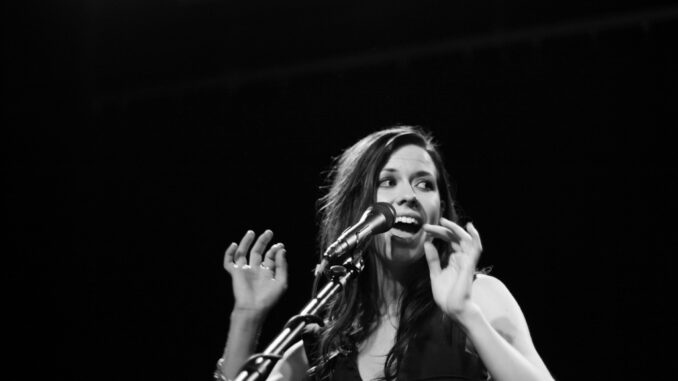
Before we explore this particular song, here is a little history lesson, a refresher for some, no doubt, but it all gives context for what is about to transpire. The Civil Wars were awarded two Grammys for their debut album Barton Hollow in 2011 (Best Folk Album and Best Vocal Performance by a Duo/Group). They would go on to win a further two in 2013 and 2014, with many nominations along the way. The duo, made up of John Paul White and Joy Williams, released two albums in their seven-year collaboration. They met at a writers’ workshop in Nashville, where they were part of a panel tasked to compose radio-friendly country songs for a then-unnamed band. Paired together, Williams and White found they shared a bond and formed The Civil Wars. When the band split in 2014, it came as a massive disappointment to the legion of fans, although possibly not a surprise to all. Work on their second album had not gone well, and a major UK and European tour was cancelled after a gig at the Roundhouse in London. The reasons for the split were threefold: creative differences, personal challenges and the strain of the fame and attention the duo were receiving.
Williams composed Until The Levee in 2013 with songwriters Paul Moak and Tom Douglas, at the height of The Civil Wars’ fame, just before the duo called time on a wonderful but tumultuous adventure. When she wrote it, was it perhaps as a response to the pressure Williams and White were both feeling? Following the break-up, Williams was quoted as saying that she felt like she was looking at a ghost. Fast forward to her first post-Civil Wars album, Venus, and the stunning, brooding masterpiece Until The Levee, with the opening line “I see a ghost out on the water“. The ghostly spectre was still haunting her.
It is a tremendously moving piece of musical theatre, weighing in at under three minutes, not a second is wasted as Williams builds the emotion, before letting everything go. The imagery of a woman stood at the water’s edge, looking at her own reflection, holding everything together but knowing that it is all about to fall apart. “I’m gonna wade out past the shallows / And brave the bitter taste / I’m gonna drink the lonely down”. The drama continues to build as the narrator resolves that they must either face the grief and hurt or wait until the levee breaks. “So go on and let it break / Take all I can take”. Finally, with a voice so powerful to the swirling cacophony of sound depicting a raging river, Williams makes the final declaration, then drops to almost a whisper as the music fades, “Until the levee or my heart breaks“.
The use of a synthesised drum beat, reminiscent of Portishead, works perfectly with the subject matter. There is an almost palpable feeling of dread and hopelessness; however, rather than burying it deep down, only for it to resurface later, the song encourages all to embrace the pain of grief. The whole Venus album is one of letting go of the past and welcoming a new dawn. For the sake of this song, unless you are made of stone, enjoy the rush as the levee or your heart breaks.


