
How community might just save you from yourself (and the world).
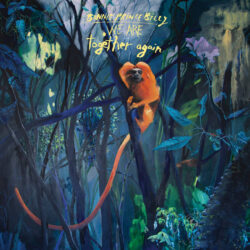 “However dimly we perceive it, we are living through a change of worlds. The one we were born into is slipping away, reshaped and denuded by human action. What remains is the question of what we will carry forward, and how we will refuse to surrender ourselves.” Such are the promotional words that accompany We Are Together Again, the newest release by Bonnie ‘Prince’ Billy, stage name of songwriter and occasional actor Will Oldham. Other artists might have used this message as the cryptic opening lines of the album, one that very much feels like the testament of a civilisation on the brink of the unknown. There is an air of doom that looms over these stories, but also hope, and right now that very much seems to be the prevalent ambivalent feeling. Instead, Oldham allows the music and lyrics to take you on a longer and more rewarding journey around the album’s main ideas. The first few seconds are reserved for an ominous digital signal that offers an intriguing contrast to the album’s general feel.
Over the years, Oldham has made a habit of releasing albums alongside other artists (Bill Callahan, Bryce Dressner and Matt Sweeney, to name only a few). However, with We Are Together Again, he continues on his recent streak of solo albums, after Keeping Secrets Will Destroy You (2023) and The Purple Bird (2025). This is not to say he’s not joined by a superb group of musicians, as a quick listen will put that idea to rest, but the collaborative element here is different. Oldham almost seems to act as a tribal chief, directing the ceremonies in preparation for the end of the world. Several of the songs begin quietly, with only Oldham and a bare accompaniment, before being progressively joined by other voices and instruments. The result is a mostly acoustic, intimate-sounding album that features different backing vocals and reinforces the feeling of a communal gathering with every track.
We Are Together Again has a clear narrative flow, with a profuse use of full, descriptive sentences. However, questions are raised at every turn. “It’s a record about the stubborn miracle of community, and about how, so long as there are voices asking together, the asking itself becomes hope”. The act of asking itself becomes an essential safeguard for our humanity, especially in dark times when community is as vital as ever, and bridges need to be both built and preserved.
Why is the Lion? opens the album as a question that expresses the fatigue caused by seemingly endless times of strife. The possible consequences of this pain are addressed soon after, whether it’s isolation and disconnect from the rest of the world (They Keep Trying to Find You) or contradictory self-destructive tendencies (Strange Trouble).
“The human times have come and gone, we must accept our rule is done” sings Oldham in Life is Scary Horses. Perhaps once we are gone, nature will revert to its primaeval self-regulating state, and animals will once again live in a closed ecosystem. Animal references abound, that’s for certain, and you only have to take a look at the album’s wonderful cover artwork to realise the end could be seen as a new beginning.
Setting aside Oldham’s lyrical work, as We Are Together Again progresses, the songs remain interesting thanks to an unpolished sound that feels alive at every moment. You get the impression, in the best of ways, that each song is a unique take among several that might have been recorded. There are unexpected inflections in Oldham’s voice, as well as background details and dynamic changes worth listening out for, as they imprint a live quality to what surely was a carefully recorded album.
Everybody Has a Friend Called Joe is a tender track that doubles down on the idea that community could, ironically, be the solution to our man-made problems. In times of fervent individualism, it’s important to recognise where our strongest ties lie. The first lines of Hey Little only reinforce this idea. Caring for each other, we may overcome some of the hardest obstacles of our time.
Finally, we reach Bride of the Lion, a song that echoes the very first track and expands upon the ideas first introduced, coming full circle in an album that shines due to its attention to detail.


