
Debut Group album from two seasoned songwriters, with strands of americana, Celtic folk and indie.
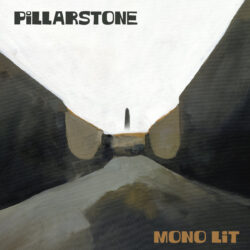 Mono Lit is the first album from a new group collaboration of Paul J Bolger and Alex Soikans. Soikans has contributed to all three of Bolger’s solo albums, so the pair have form and an understanding of how each works. Bolger is a polymath; an accomplished filmmaker, animator and musician. He made his presence known on the Irish independent music scene from 2015, touring and recording singles and ep’s before releasing his first full-length solo album in 2020. Soikans, originally from Manchester, has been involved in the West of Ireland music scene for 20 years. His guitar style has retained some Manchester indie stylings of his youth but now fully embraces blues and folk.
The album opens with Run Fox Run, the first official single. This is an indie pop number, beautifully played and melodic. It sets a positive and upbeat feel for the album, although the musical style is an outlier against the rest of the album. This is followed by September Sun, a majestic folk rock ballad which reflects on the change in the natural world as autumn begins and links it to the changes within families as loved ones get older. This is violin-led and has a quiet Celtic feel with strong backing vocals from Siobhan Maher Kennedy. What in This World, starts as Irish folk rock before the electric guitar comes in. The song ends with an impressive guitar solo which brought to mind Paul Kossoff or Eric Bell. This though is the only reference to Thin Lizzy on the album or in this review; Hammer That Nail later on the album introduces a second electric guitar but avoids the potential trap of harmonised twin guitar leads. Instead this track opens with slide guitar before a heavier blues rock feel kicks in, ending on an indie fuzz rock feel.
Cry may draw a wry smile from listeners of a certain age. It starts on a shuffle drum beat that is a ringer for the intro to The Sweet’s Ballroom Blitz, and you can find yourself adding “Are you ready Steve?”, “Uh huh,” at the right point before the song kicks in properly with fine guitar work and a walking bass line. Call For Mercy is the most complex song in construction and execution, starting with an indie drum feel with chiming folk guitar. Violin is added to the mix before a full choir kicks in. The track ends with the violin and guitar following each other in almost circular solos whilst the choir sings underneath. It is a standout track and quite emotional in feel, closing the album on a high note.
The album then is generally enjoyable and is an easy listen, the musical styles and playing being particularly rewarding. It perhaps lacks a little edge musically and passion in the vocals at times, but these are minor quibbles. The lyrics are the other element that lets it down a little; by no means bad, they feature some well-worn metaphors and stylings that edge towards cliché. All told though this is a solid album that potentially has wide appeal being melodic with a variety of styles.


